Monday, November 21, 2022
WHAT TO PACK FOR THE FIRST NIGHT IN YOUR NEW HOME...
Wednesday, October 12, 2022
Home Updates To Make After A Decade
Thursday, September 8, 2022
What Is Escrow?
Tuesday, August 23, 2022
Why did my credit score change?
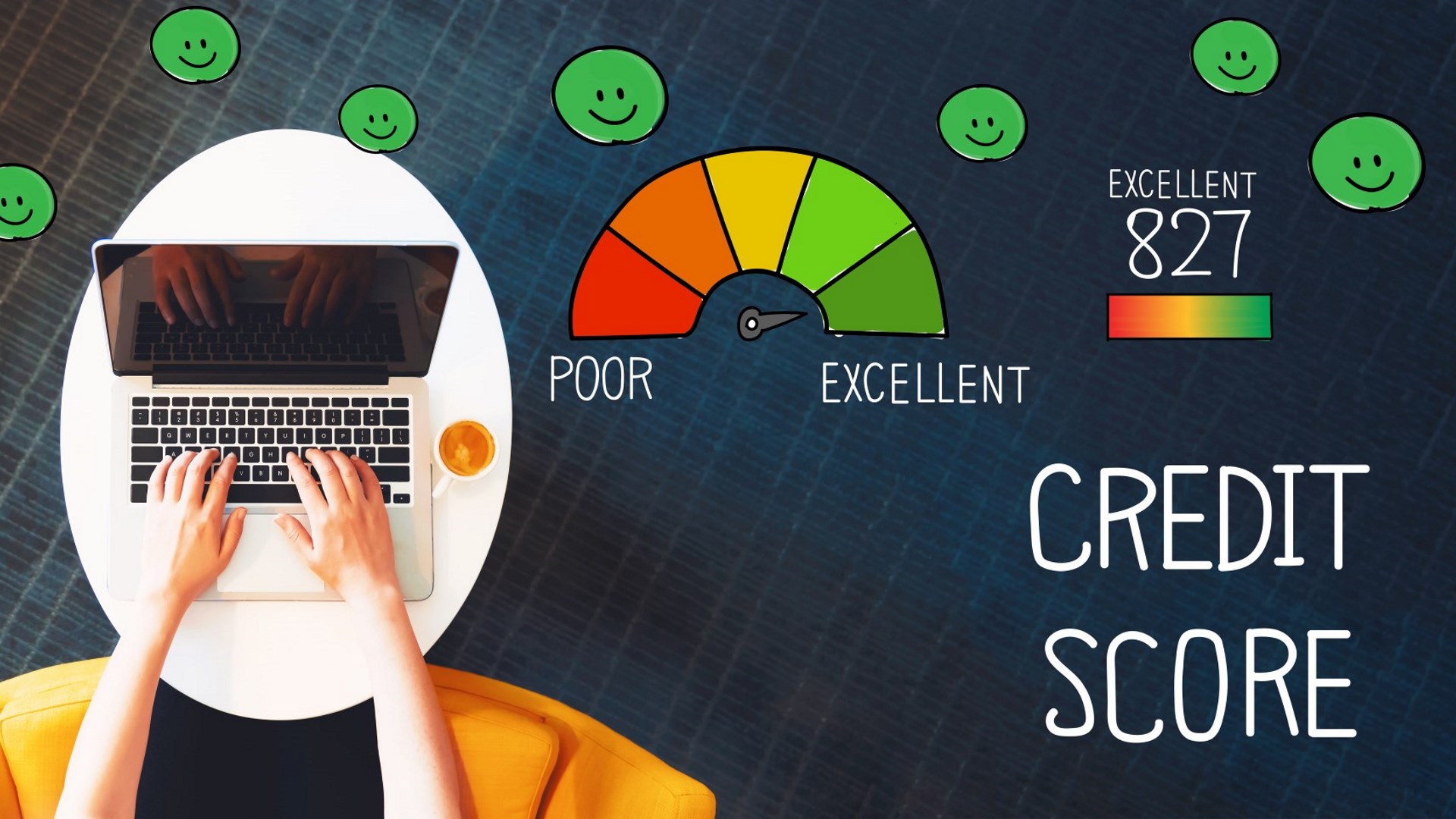
If you’ve seen a change in your credit score recently, you may be wondering why. There are a number of factors that contribute to a dropping credit score and it is important to know what may be causing that! When buying a home, it is important to maintain your credit and not make any major purchases that could impact your score. Here are the top 5 reasons for a drop in credit:
YOU MADE A LATE PAYMENT
Accounting for about 30% of your total rating, your payment history has a big impact on your credit score. If you make a loan or credit card payment more than a month after the due date, it could cause your credit score to drop. A payment 60-90+ days late will have an even greater impact on your score.
YOU MADE A LARGE PURCHASE
Your credit utilization ratio can largely impact your credit score. Your ratio is how much of your credit you use in relation to your total available credit. The goal is to have a lower ratio so if you’ve been using more of your available credit lately, you may see a drop in your score. If for any reason your credit limit is lowered, it can impact your credit utilization ratio and impact your score.
AN ACCOUNT GOES TO COLLECTION
Timely payments on all accounts is an important part of your credit journey. Late payments on credit cards, loans, to medical facilities, student loans and utilities can be sent to a collection agency, which could in turn show up in your credit report.
YOU OPENED A NEW LINE OF CREDIT
When you apply for new credit, you are giving lenders the permission to access a copy of your credit report, which is known as a hard inquiry on your credit. If your credit report indicates that you’ve applied for multiple new credit lines in a short period of time, your credit score may be impacted.
YOU CLOSED A CREDIT LINE
Closing a card means losing available credit, which could increase your credit utilization ratio. As a result, your credit score may drop. If closing a card helps you stop spending, it may be a good idea. Otherwise, it is usually wise to keep lines of credit open. The length of time you’ve had accounts open shows that you have a solid payment history, so that could be another reason to keep that card you’ve had awhile open if you are using it wisely!
Monday, April 18, 2022
Should You Try Peel-And-Stick Wall Paper?
When you think of wallpaper, you likely picture rolls of material that are plastered or glued in place. Once the wallpaper is up on the walls, that’s pretty much it; while wallpaper can be removed, the process usually isn’t very quick or easy. If you want the look of wallpaper without the hassle, however, there is another option: peel and stick wallpaper. If you weren’t aware that this was available, it might be worth looking into.
What Is Peel and Stick Wallpaper?
Similar to some other wall decorations, peel and stick wallpaper is a vinyl applicant that has its own adhesive on one side. A protective paper backing covers the adhesive and is peeled off before application, allowing it to be placed without the need for glue or other messy adhesives. The adhesive on the back of peel and stick wallpaper is strong enough to hold the wallpaper in place, but not so strong that it can’t be removed with ease; when you’re ready to take it down you can simply peel it off without having to worry about the wallpaper tearing or causing any sort of damage to the wall surface beneath it.
Peel, Stick and Adjust
As with more traditional wallpaper options, peel and stick wallpapers typically feature repeating designs that are essentially seamless once everything has been installed. The self-adhesive nature of the wallpaper makes it easy to start a wallpaper installation since you can position the first piece more easily than you might with wallpapers that have separate adhesives.
There is another advantage to using this self-stick adhesive as well. Because it’s designed to release easily, you can adjust the positioning of the wallpaper with ease during the installation process. This helps to ensure that none of the wallpaper is crooked or out of alignment, since you can correct any problems as they occur without having to reapply adhesive or worry about damaging the paper.
Residue-Free Removal
One big advantage that peel and stick wallpaper has over more traditional wall coverings is that you can remove it and replace it whenever you need to. The vinyl material that peel and stick wallpaper is made from is harder than paper, so not only is it less likely to be damaged in day-to-day life but it’s also much less likely to tear during removal. The adhesive on the wallpaper leaves no residue behind and isn’t going to peel off paint or other surface details. While peel and stick wallpaper typically isn’t designed for reuse after removal, you can remove one peel and stick design and replace it with a different design, or even more traditional wallpaper, without any issue.
Multiple Surface Options
Peel and stick wallpaper goes well on walls, but it can also be applied to other surfaces as well. The main requirement for application is a clean, dry surface without texture. Your walls should be painted with at least a base coat, but the paint shouldn’t have any texturing agents added. Surfaces with non-stick elements added (such as non-stick paint) or residues need to be cleaned or painted before application as well. Peel and stick wallpaper can be added to drywall, wood or any other surface that either meets its requirements or can be painted to provide the clean, smooth surface that the wallpaper needs for adhesion.
Wednesday, March 9, 2022
Upgrade You Zoom Chat Skills
Wednesday, February 16, 2022
The Right Window Treatments For You
Friday, February 26, 2021
Preparing Your Home For Listing Photos
Listing photos are the first chance many potential buyers get to be exposed to your home. This is why being prepared for listing photos and ensuring your home looks ready to sell is a key part in the home listing process. Here are some tips to prepare your home for listing photos!
Clear Off Kitchen Counters & Sink
When the kitchen counters are completely cleared off, buyers can imagine how they might use the space for themselves. Kitchen items and decor only distract buyers can often make the kitchen feel cluttered. You will want to remove everything except a handful of decorative items from the countertops and thoroughly clean all surfaces.
Clear & Clean Bathroom Sinks, Tubs, and Showers
Take all of your bath/shower items and place them into a bin that can go underneath the sink. This can help your bathroom look bigger. Clear off the counters so that bathrooms look unused, but it is okay to leave clean hand towels and hand soap.
Replace Burned Out Light Bulbs
Make sure you check all of the ceiling lights, lamps, and exterior lights to make sure that they all work and can correctly illuminate your space. If there are dark areas in your home, feel free to add a few extra lamps to brighten them up. Additional light can make an area look more spacious so the more light, the better!
Turn On All Lights Throughout The Entire House
You want your home to be captured in the best light, and so it is essential to have as much light as possible. Before your photographer comes, turn on all of the lights in the house!
Open All Windows
Natural light from windows brings life to photos. Opening all of the window treatments in your home to let in as much light as possible. If it's too bright, your photographer can adjust as needed. Make sure you clean the windows if they will be photographed!
Remove Unnecessary Furniture & Decorations
This is probably the hardest part, but it's one of the most important. Removing and storing furniture that doesn’t bring value to your photos can be hard, but it opens up the floor space and helps to not distract potential buyers. Buyers want to be able to visualize their items in your home and that can be hard to do if the room is cluttered with furniture.
Turn All Ceiling Fans, TVs, and Computer Screens Off
Any moving items like ceiling fans or active TV/Computer screens can look very strange in photos. You should turn off anything that moves or can cause a motion blur.
Clear Off Appliance Surfaces
Be sure to remove photos, magnets, notes, reminders, and other personal information from the refrigerator or any other appliance you have decorated. It will not only make your home appear cleaner, but it also keeps your personal info safe.
Make All of the Beds
Be sure to make and decorate all the beds in your home with matching sheets, blankets, and pillows. Use bedding fits correctly and covers the mattress.
Are you thinking of selling or know someone who is? Please share our information and give us a call to discuss your selling options. Maria Zendejas & Team (805) 465-2000
We look forward to being your Realtors!
Friday, February 19, 2021
Need Space? Ditch Your Dining Room!
More and more, we're on the go. Dinners have evolved and formal dining is becoming a way of the past - or is reserved just for special occasions. With that in mind, we see more and more often that dining rooms are left untouched a mass majority of the year. Many people still have fully furnished dining rooms, for a few reasons. They may have been told they can’t sell their home without one, or they already have a dining set, or it just hadn’t occurred to them to not have one.
If you’re willing to think outside the box and you’re looking for ways to have more room without financing a home addition, take a second to think about what you really need and don’t need in your home. There’s a good chance that maybe, you don’t really need a dining room.
A better solution might be to create a slightly larger, less formal dining space. A space that can be more flexible, taking the place of the formal dining room and the breakfast room. Most of the time, this other dining space works great for meals, crafts, and everything in between. You can just add a nice tablecloth, some candles and once again it is a temporary space for elegant dining. If space allows, you can add a nook to your kitchen (if you haven’t already) and completely remove your formal dining furniture from your dining room. Now, you have a full room for play, design, or maybe an office - it’s up to you!
If you've been thinking of selling to purchase a home that offers more space, finding out it's resale value is the place to start! Contact us for a free report of your home. Maria Zendejas & Team can be reached via phone (805) 465-2000 or email lupezendejas@aol.com
Monday, February 1, 2021
When To Purchase Flood Insurance
If you are in an area where you think you might need flood insurance, you also might be wondering if and when the best time to purchase is. Like many Americans, the threat of a flood may always seem far off but if you are in an area that has any flood risk, the best time to consider making the investment is as soon as possible.
Home insurance will not pay to repair damage caused by flooding, which is why you’ll need to buy separate flood insurance to cover tropical storms, torrential rain and overflowing rivers. It’s the smart move to buy flood insurance before flooding becomes imminent, because there is typically a waiting period between the time you buy your policy and the time it takes effect.
Waiting period for flood insurance
If you buy your flood insurance policy through the National Flood Insurance Program, your home coverage will kick in 30 days from the purchase date. If you decide to buy private flood insurance, the waiting period might be shorter - typically around 2 weeks. Because not every state/area has private sellers, you will want to ask your home insurer or agent about options in your area. Unfortunately if flooding occurs during the blackout period, your policy won’t pay to fix damage to your home or belongings.
When the waiting period doesn’t apply
Here are some scenarios that are exceptions to the NFIP waiting period, according to the Federal Emergency Management Agency:
You have flood insurance and increase your coverage at renewal time. The new limits of your policy will take effect once your old policy expires.
You buy flood insurance within 13 months after your home is added to a Special Flood Hazard Area. The waiting period is one day in these cases.
Your home sits on burned federal land and post-wildfire conditions put your property at an increased risk of flooding. There may be no waiting period if you buy your policy within 60 days of the date the fire is contained.
You buy flood insurance in relation to getting, increasing, extending or renewing your mortgage. There’s no waiting period in these cases.
There might also be exceptions to the waiting periods for private policies, including if you’re switching from an NFIP policy to a private one. You will want to ask your insurer for more details.